
Role
Brand Strategy, Creative Direction, Report Design, Digital Communications, Data Visualization
Overview
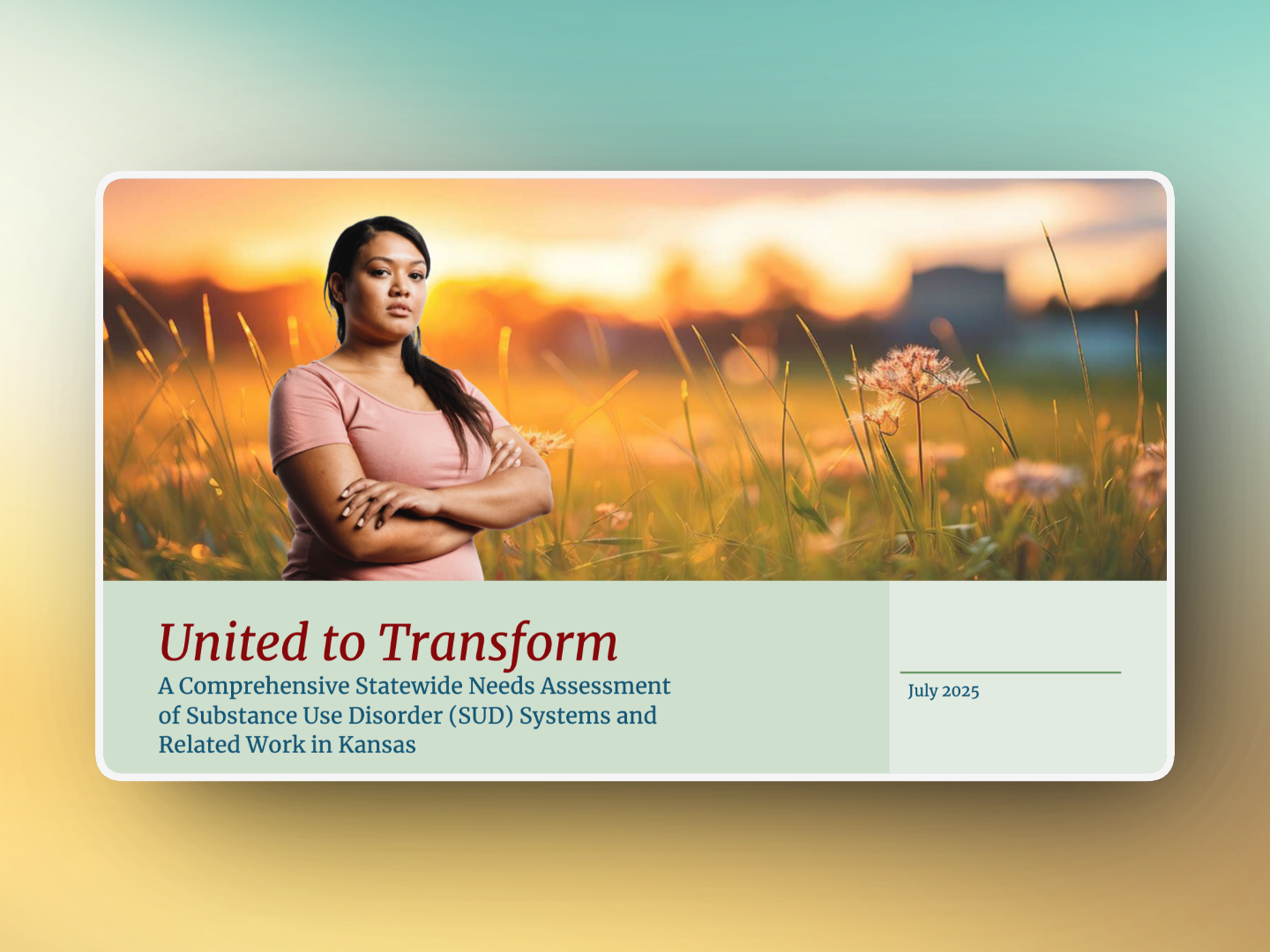
United to Transform required a brand and communications approach that could speak clearly about the severity of substance use disorders without relying on stigmatizing imagery or language. Because there was no existing brand system, the work required building a flexible identity and communication foundation that could support a wide range of deliverables as the project evolved.
The Challenge
The central challenge was balance. The client needed communications that acknowledged the serious impact of substance use disorders on families and communities while avoiding visual choices that reinforced stigma, stereotypes, or fear-based messaging. The brand also needed enough flexibility to support research, community engagement, public-facing education, and technical deliverables as the work shifted over time.
Strategic Approach
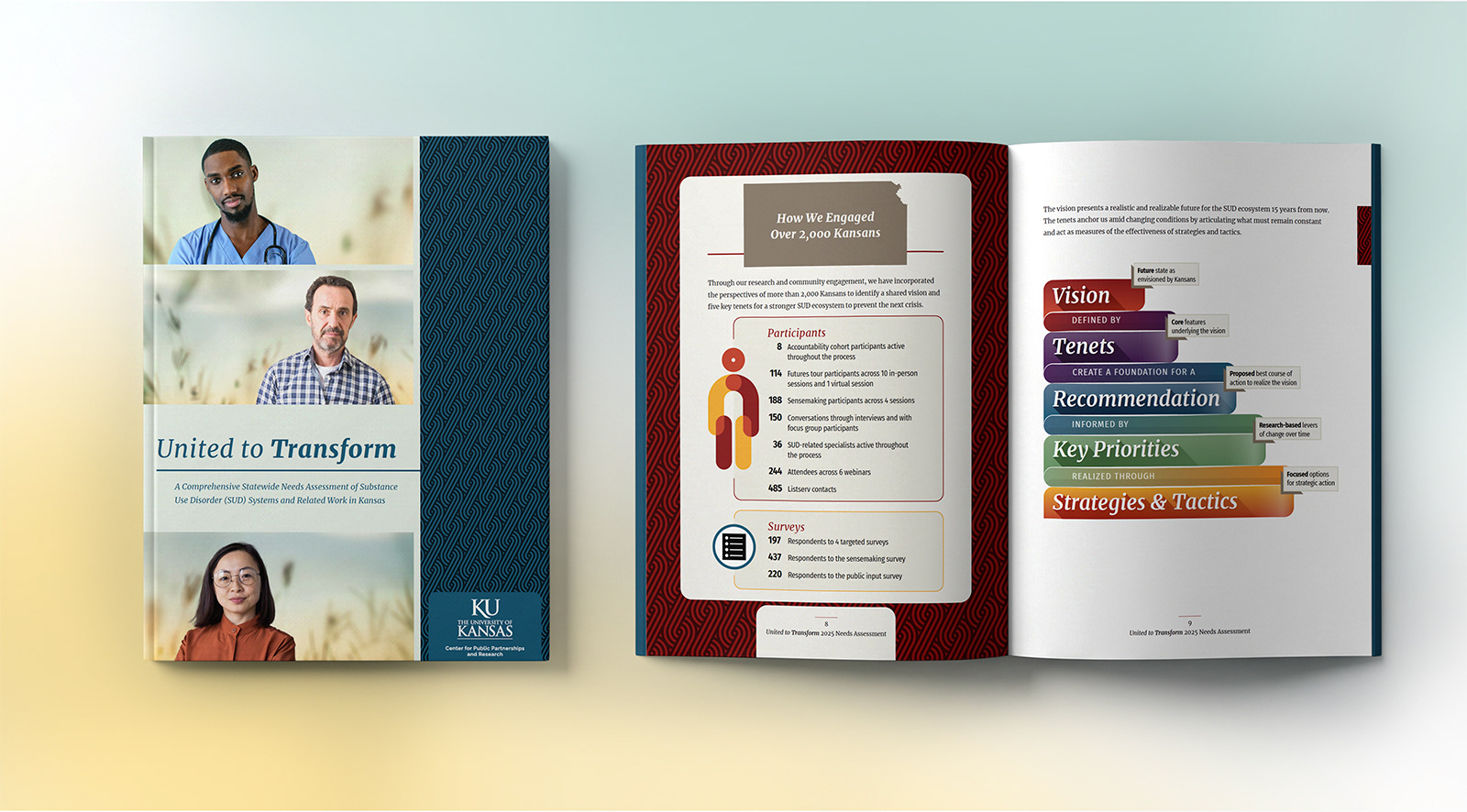
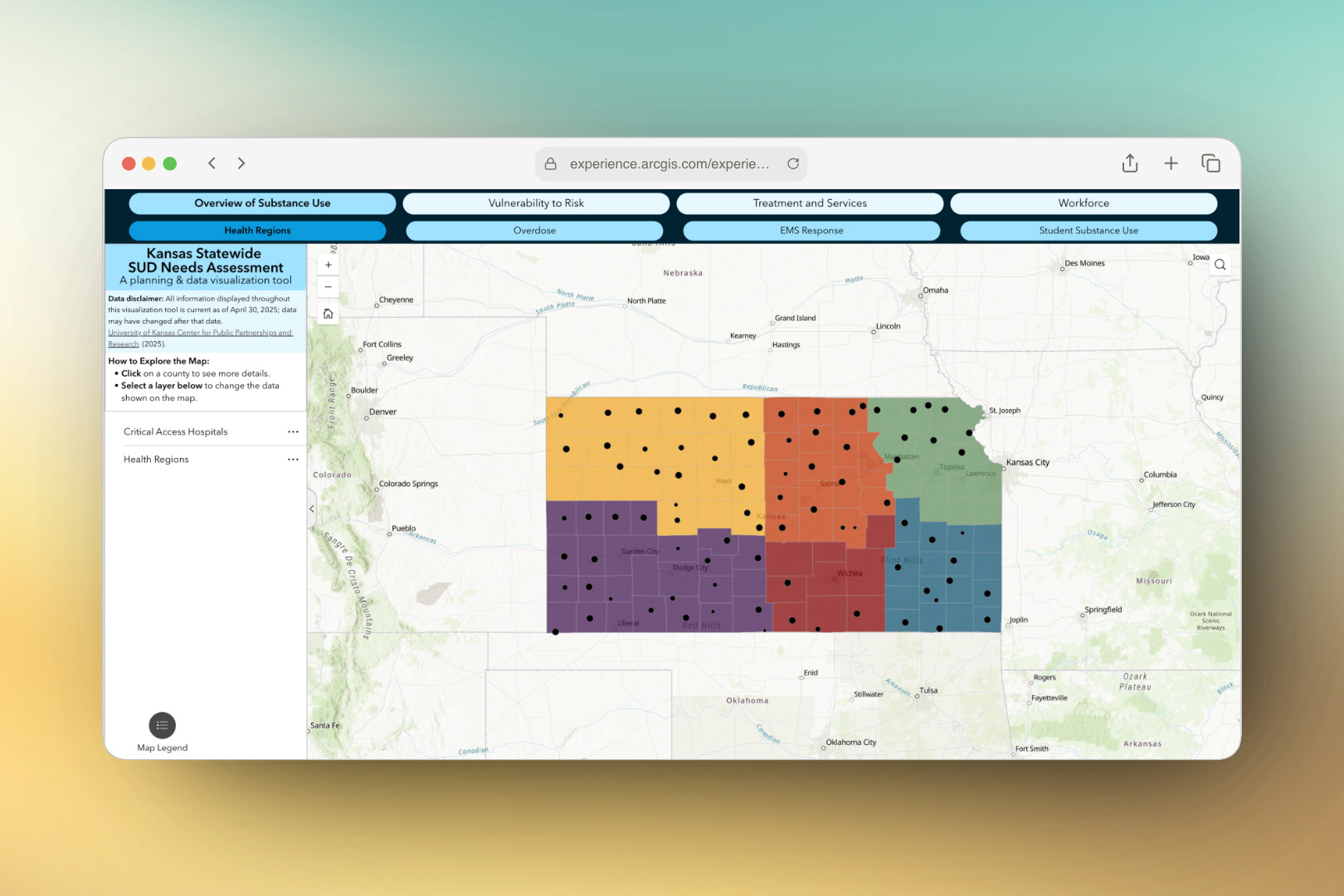
The visual and communication strategy focused on clarity, empathy, and adaptability. Rather than developing a narrow campaign identity, the work created a flexible system that could extend across reports, presentations, digital communications, and data visualization while maintaining a consistent tone and visual presence. Deliverables included a comprehensive needs assessment report, community-facing presentations, a public website later transitioned to the client for continued use, and an interactive ArcGIS-based visualization designed to make a large and complex system more understandable and accessible.
Outcomes
One of the most important parts of this work was recognizing that visual communication can either reinforce stigma or help change the conversation. The project required treating brand, accessibility, data visualization, and community communication as connected parts of one system. The strongest outcome was not only the set of deliverables, but the creation of a communication approach that helped make a complicated and sensitive topic more understandable, respectful, and usable for the people closest to the work.